Cosmetic dentistry · Scottsdale, Arizona
Look at our work under the worst light first.
A restoration is only as good as the light it survives, so every photograph on this site has a light switch under it. Move it and the work is re-lit. Nothing we say changes — that is the point.

New patient consultation
90 minutes · $190, credited against treatment
- First visit
- 90 minutes
- Insurance
- Out of network
- Membership
- $39 a month
Why we work this way
Out of network, on purpose.
Network contracts set the fee, and to a large extent they set the clock. A veneer case with a design phase and a trial smile does not fit inside a schedule built around volume. Being out of network is what lets us book two hours where a contracted practice would book forty minutes.
If you have a PPO plan you can still claim: we hand you a coded itemised receipt and you submit it for out-of-network reimbursement. We will not estimate what your insurer will pay, because that is a contract between you and them — but we will always tell you our fee in writing first.
- Appointment length
- 90 min first visit
- Clinicians
- Two dentists, one hygienist
- Charting
- Six sites per tooth
- Plans
- Always written, always itemised
Shade
Value first. Then chroma. Then hue.
Shade is not picked off a colour wheel. It is read in a fixed order, and getting the first step wrong cannot be rescued by the two after it — which is why this is a line and not a palette. Drag it, or use the arrow keys.
Step 4 of 7
Every step above is drawn by the browser, not photographed, and the ladder is illustrative: a shade is matched in the mouth, in daylight, against wet enamel, within the first thirty seconds before the eye starts adapting. No screen can do it.
Treatments
Six things we do properly, and the alternatives to each.
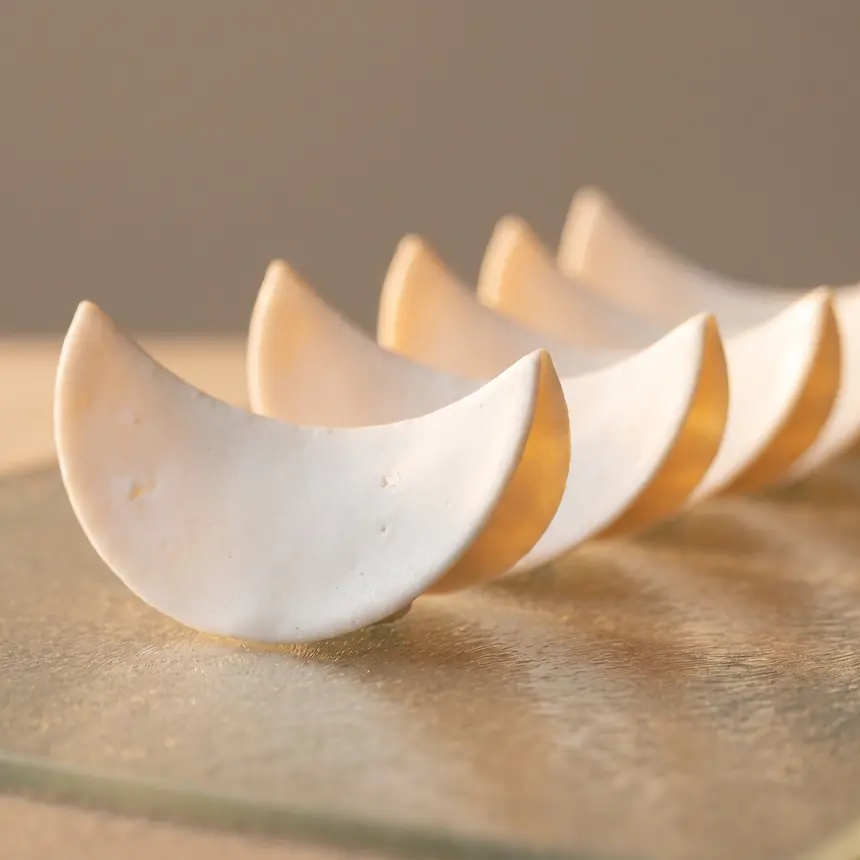
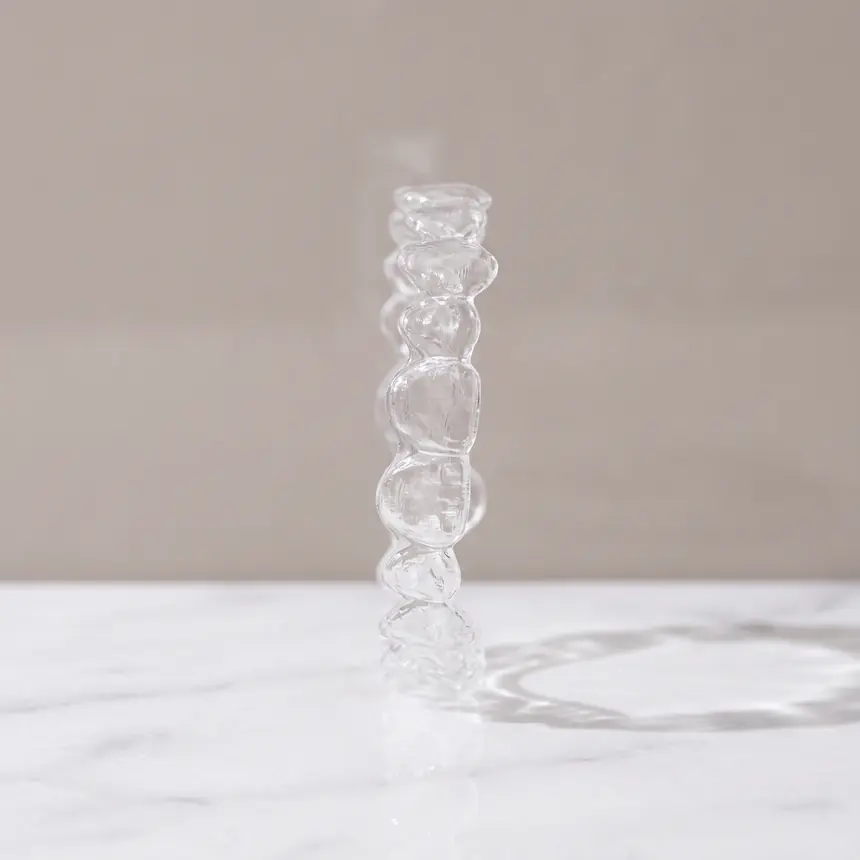
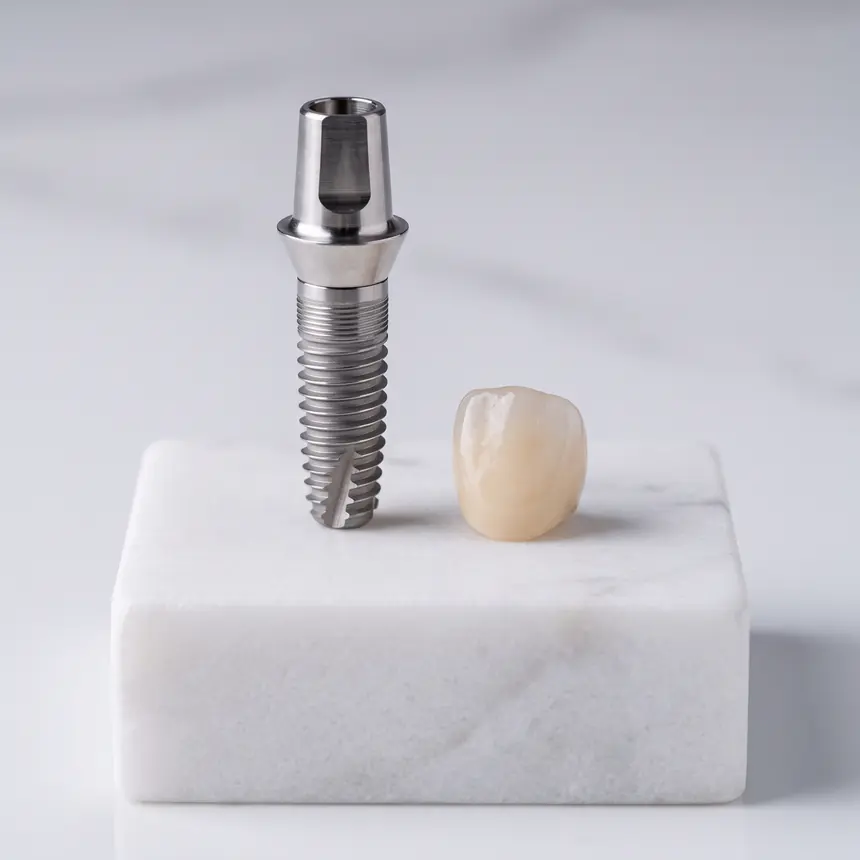
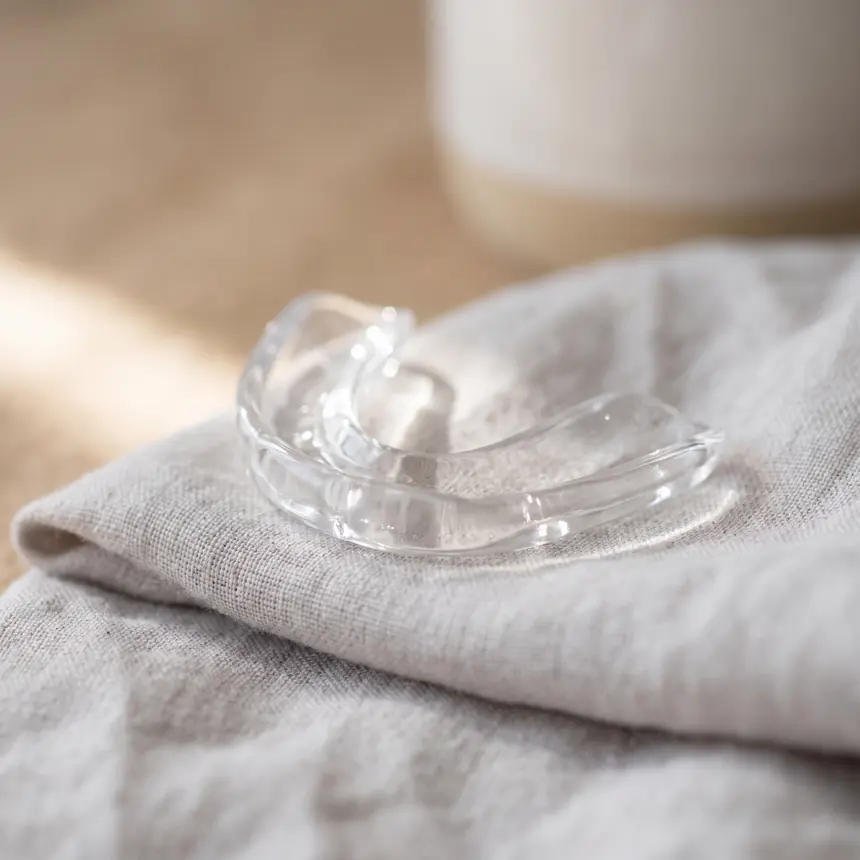
A cross-section, drawn to the order a ceramist builds in. Move the pointer over it, or step through the layers beside it.
How it is actually built
Five layers, and only one of them is white.
Almost everything that goes wrong with a cosmetic case goes wrong in this stack. Too much opacity and the tooth reads as a chiclet; too little and the prep shows through as a grey shadow at the neck. Nothing about the shape is the hard part.
How treatment runs
Four stages, and you approve the design before anything is prepared.
Every irreversible step sits behind a stage you have already seen and agreed to.
Ninety minutes. A full examination, a six-point periodontal chart, photographs and any radiographs indicated. We ask what you actually want changed before we say anything about how.
- Full charting and photographic records
- Digital scan where a plan is likely
- A written plan, not a verbal estimate
The proposal is designed digitally and, for cosmetic cases, trialled in your mouth in temporary material before anything is prepared. You leave with itemised fees, a visit count, and the alternatives we considered — including doing nothing.
- Digital design and a physical mock-up
- Trial smile worn out of the practice
- Itemised fees and a sequence you approve
Long appointments, one clinician, no double-booking. Anything surgical or restorative is done under local anaesthetic; nitrous oxide is available at any visit and deeper sedation is assessed individually.
- Two to four hour appointments where the work needs it
- Nitrous oxide available at any visit
- Temporaries you can live in, not survive
A two-week review, then a maintenance interval set by your measured periodontal risk rather than a six-month default. Night guards for anyone with wear facets. Records kept so a replacement can be matched years later.
- Two-week review on every cosmetic case
- Recall interval set by risk, not convention
- Design files kept for future matching
Before and after
Drag the divider. Then change the light.
Two of these three were solved without preparing a single tooth. That is usually the point. Both frames of every pair are synthetic images made for this demonstration — they are labelled as such, and they are not records of anyone's treatment.
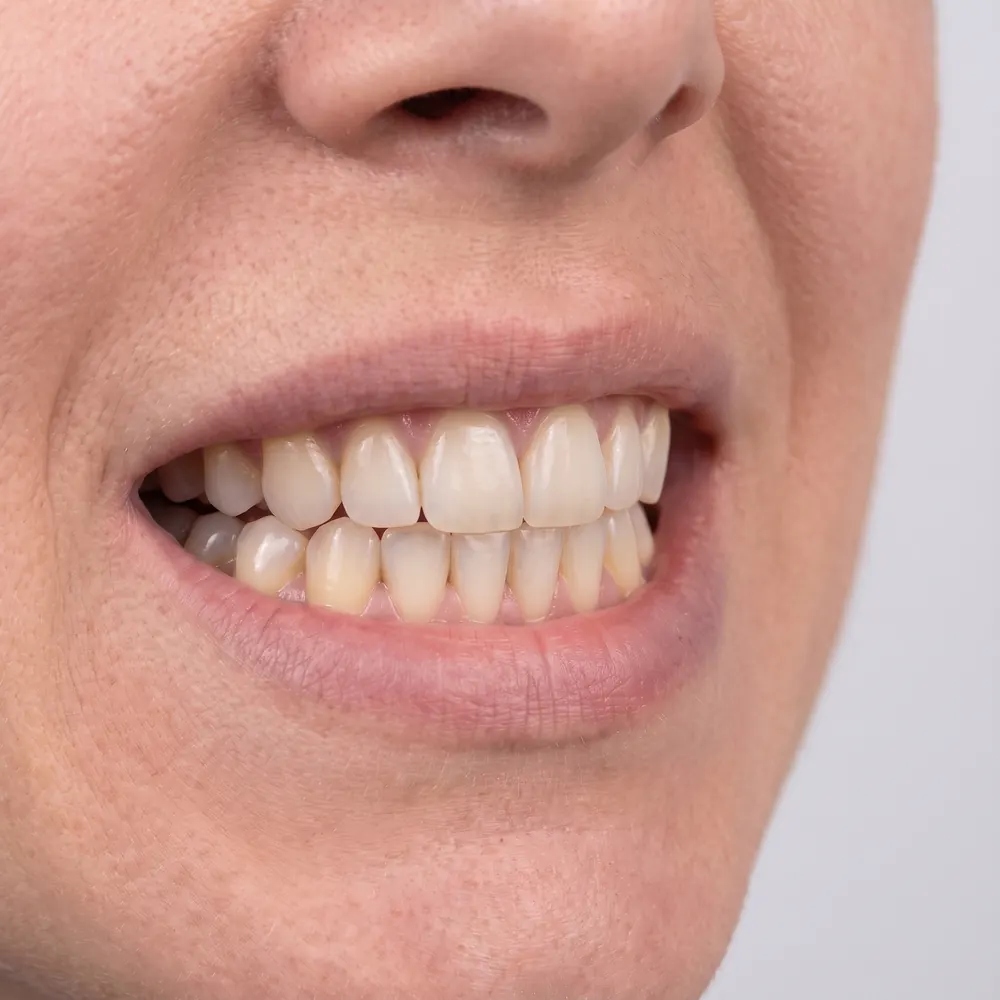
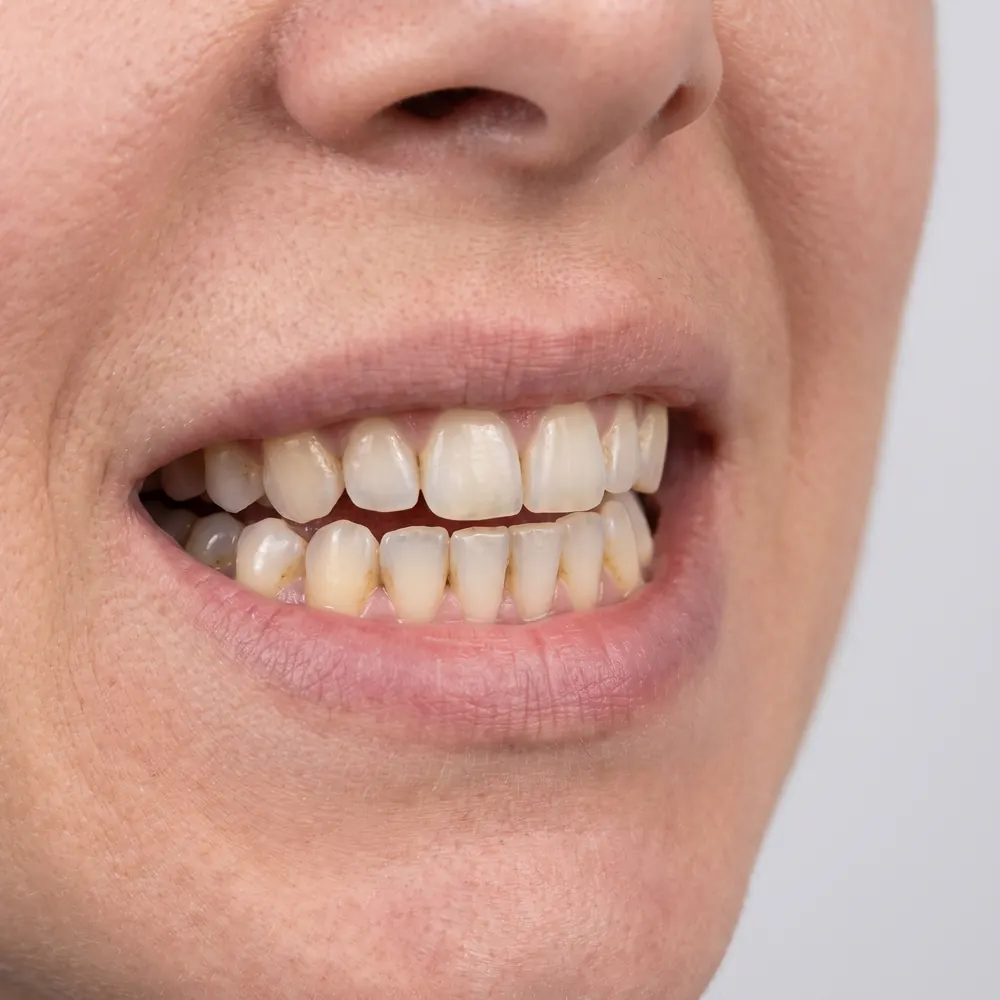 BeforeAfterSynthetic image
Mild lower crowding and a rotated upper lateral, aligned first so that no enamel had to be removed, then home whitening in custom trays for two weeks.
What it turned on. The crowding came out with aligners, so the whitening had clean enamel to work on and no tooth was prepared. Whitening a crowded arch first hides the crowding rather than treating it.
Individual results vary. The images on this page are synthetic — generated for this demonstration, not photographs of patients — and they do not record treatment or predict any particular outcome. Suitability, sequence and cost are determined only after a clinical examination.
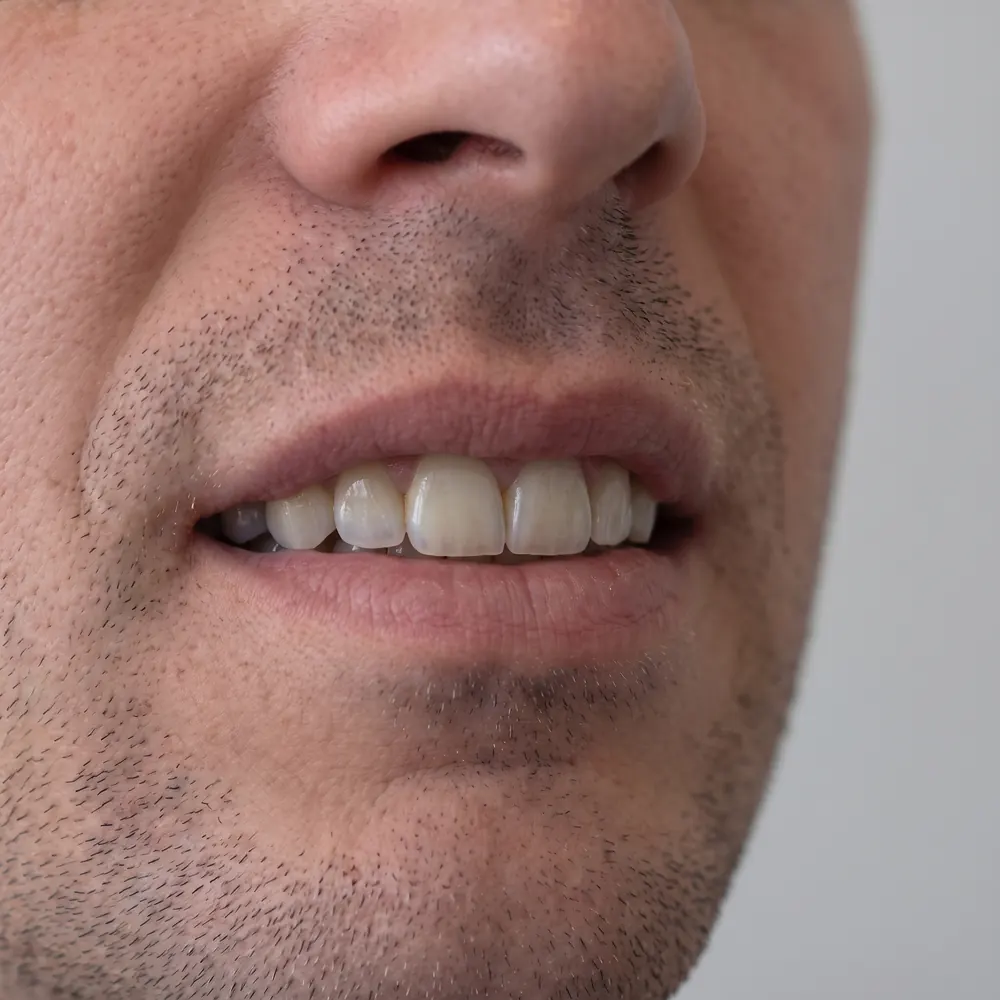
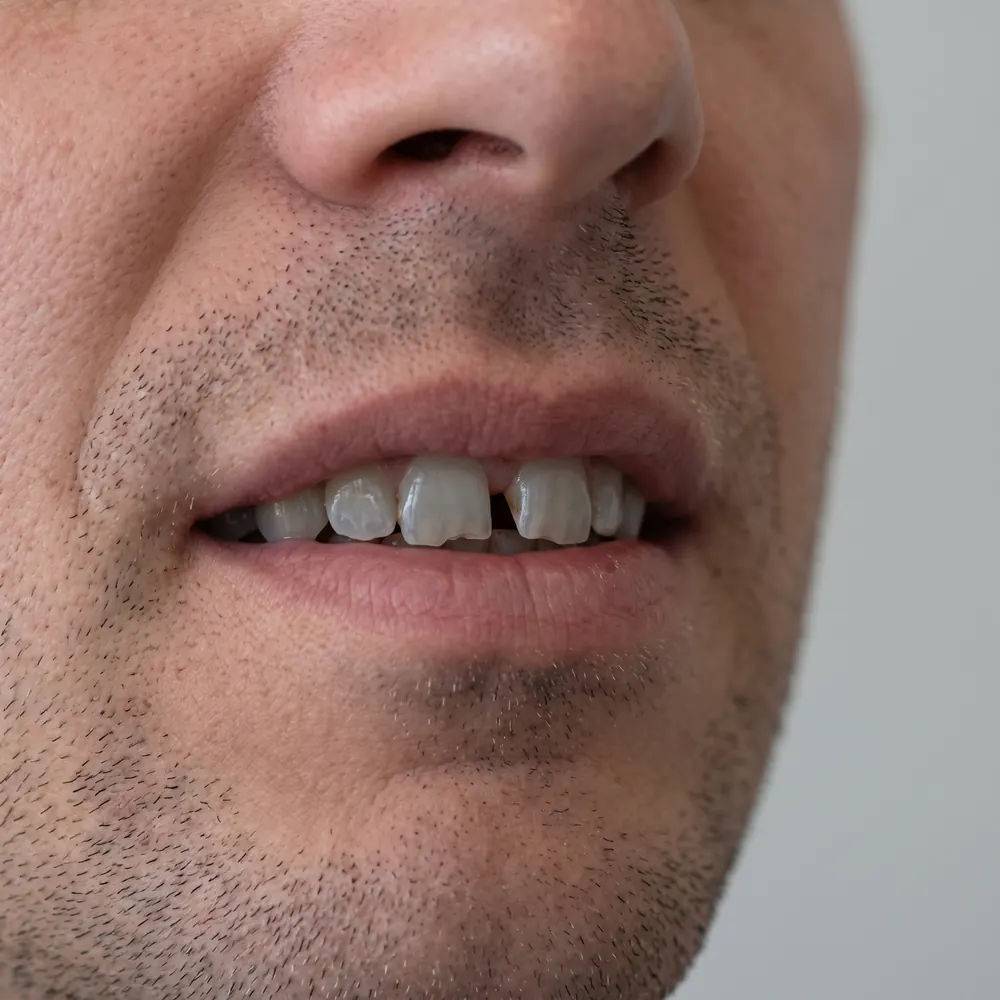 BeforeAfterSynthetic image
Worn incisal edges and a midline gap rebuilt in layered composite in a single appointment. Reversible, no enamel removed, and a night guard fitted afterwards because the wear pattern showed grinding.
What it turned on. Composite is additive and reversible. It is the correct first answer to worn edges when the enamel underneath is sound, and it buys a decade in which the decision can be revisited.
Individual results vary. The images on this page are synthetic — generated for this demonstration, not photographs of patients — and they do not record treatment or predict any particular outcome. Suitability, sequence and cost are determined only after a clinical examination.
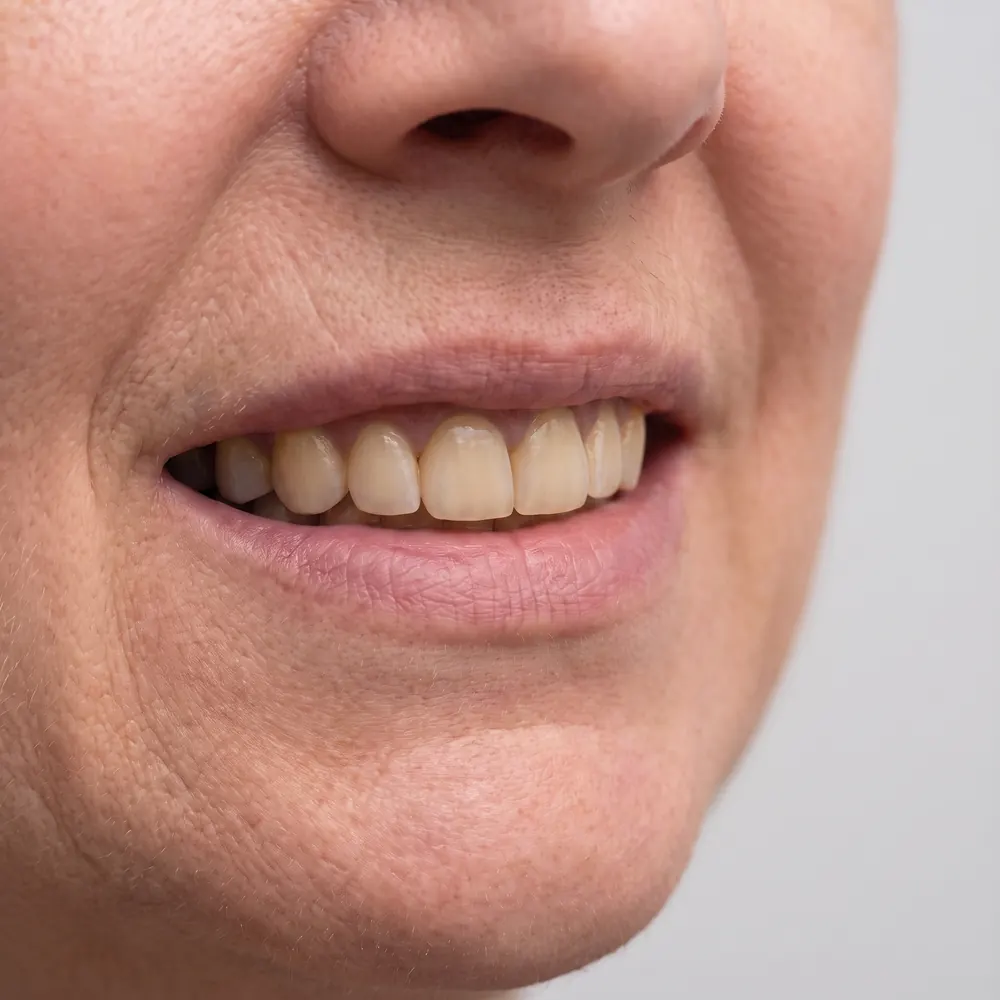
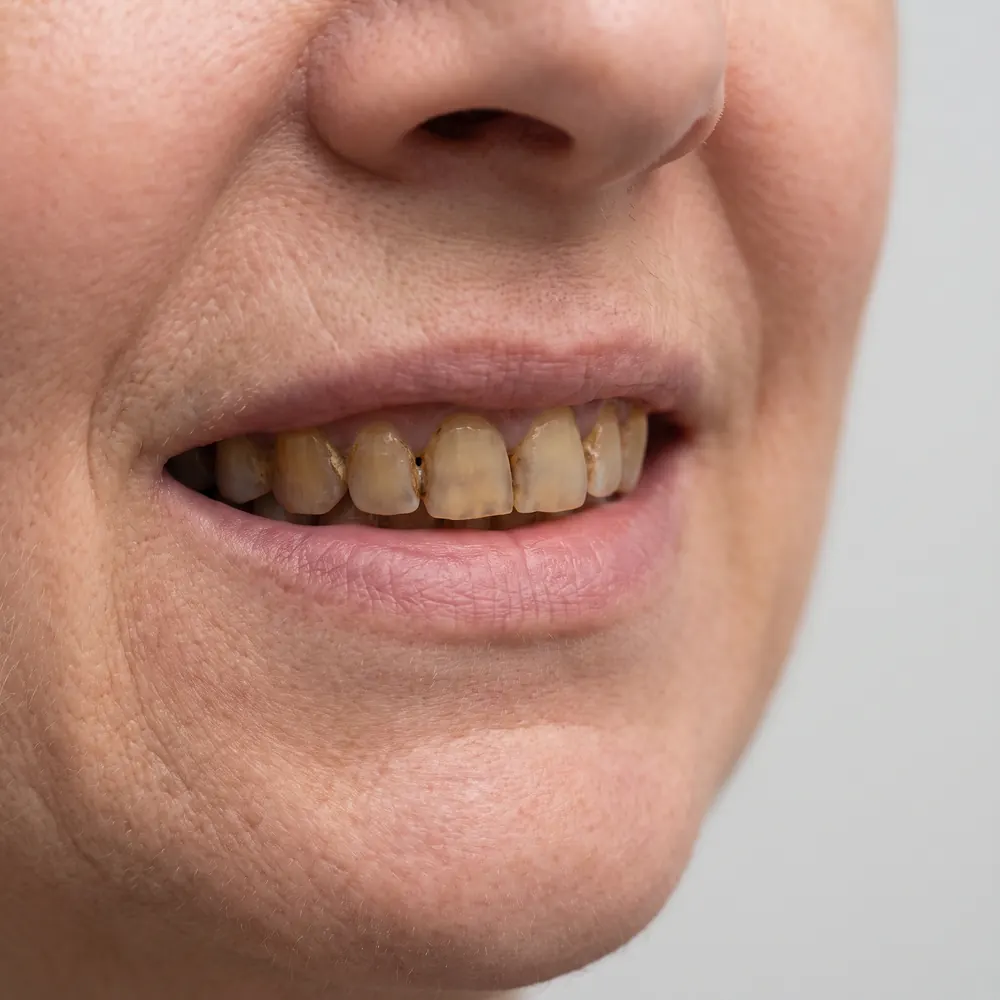 BeforeAfterSynthetic image
Hard-water mineral staining and surface discolouration. A full hygiene course removed most of it; two weeks of carbamide peroxide in custom trays did the rest. Nothing was prepared and nothing was bonded.
What it turned on. Most of this was extrinsic mineral staining, which comes off with instrumentation. Selling a whitening course before a hygiene course would have been selling the same result twice.
Individual results vary. The images on this page are synthetic — generated for this demonstration, not photographs of patients — and they do not record treatment or predict any particular outcome. Suitability, sequence and cost are determined only after a clinical examination.
Membership
Not insurance. A direct agreement with this practice.
$39 a month covers two hygiene visits, two examinations, all charting and your annual radiographs, and takes 15% off everything else we do. No annual maximum, no waiting period, no deductible, no claim form, and nobody outside this building deciding what you are allowed.
It also will not pay for treatment anywhere else, which insurance does. If you have good employer dental cover and you use it, keep it — we will tell you so.
Questions
The five we are asked most.
We are fee-for-service and are not contracted with any insurance network. If you have a PPO plan you can still claim: we give you a coded itemised receipt after every visit and you submit it for out-of-network reimbursement, which typically pays a percentage of the plan’s allowed fee. We cannot tell you what your plan will reimburse, because that is a contract between you and your insurer.
Network contracts set the fee, and to a large extent they set the time. A veneer case with a design phase and a trial smile does not fit inside a reimbursement schedule built around volume. Being out of network is what lets us schedule two hours for an appointment that a contracted practice would schedule for forty minutes.
It is not insurance. There is no annual maximum, no waiting period, no deductible, no claim form and no third party deciding what is covered. It is a direct agreement with this practice: a fixed annual fee covers your preventive care and gives you a discount on everything else. It also does not pay for treatment elsewhere, which insurance does.
Usual, Customary and Reasonable is the fee level an insurer decides is normal for your ZIP code. Reimbursement is calculated against that number, not against what your dentist charges. Two practices with identical fees can produce different out-of-pocket costs depending on how a plan sets its UCR, which is one of the reasons we quote our fees directly instead of estimating your reimbursement.
Yes. We offer interest-free in-house staging on plans over $2,500 across the treatment period, and we work with third-party healthcare lenders for longer terms. Rates and approval are set by the lender, not by us.